Plates, Alleys, and Authenticity: Why Long Bien's Food Scene Is Drawing American Expats Away From the Tourist Crowds
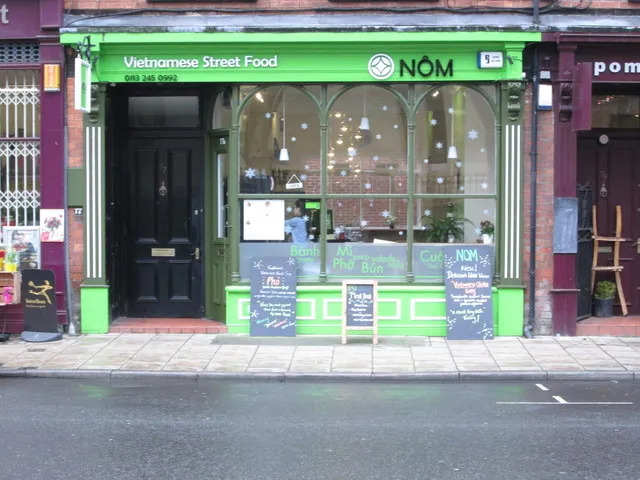
Photo: Betty Longbottom , CC BY-SA 2.0, via Wikimedia Commons
Hanoi's Old Quarter earns its reputation. The lantern-lit streets, the heritage shophouses, the bún chả stalls that have fed generations of locals and travelers alike — all of it is genuine, and none of it is a secret. But for American expats who have chosen Long Bien as their Hanoi address, the Old Quarter's culinary appeal comes packaged with something they didn't bargain for: the slow erosion of authenticity that accompanies relentless foot traffic.
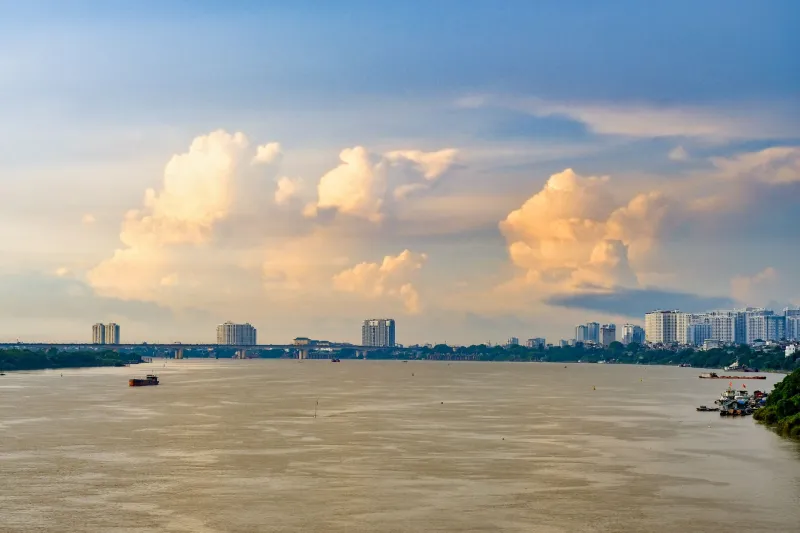
Long Bien offers a different proposition entirely. Situated across the Red River, the district operates on its own rhythm — and its food scene reflects that independence with remarkable character.
A Neighborhood That Feeds Itself
Unlike districts that have recalibrated their restaurant culture around international visitors, Long Bien's dining landscape remains primarily oriented toward the people who actually live there. Markets open before dawn. Pho shops serve their last bowls by mid-morning. Bánh mì carts stake out corners with the confidence of businesses that have never needed a TripAdvisor listing.
For Americans accustomed to food culture that prizes convenience and consistency, this can initially feel disorienting. But those who give it time — who learn which stalls open on which mornings, who figure out that the best bún bò Huế in the neighborhood operates out of a converted ground-floor living room — describe the experience as something close to culinary fluency.
"Back in Portland, I thought I knew Vietnamese food," says Marcus Delray, a software architect who relocated to Long Bien eighteen months ago with his wife and two children. "I knew the Americanized version. What I eat here, three meals a day, is something categorically different. And I genuinely cannot imagine going back."
The Street Food Geography of Long Bien
The district's food culture doesn't cluster in a single destination neighborhood. Instead, it spreads across a network of residential corridors and morning markets, each with its own specialties and regulars.
The area surrounding Long Bien Market — one of Hanoi's oldest wholesale produce hubs — functions as an informal culinary district in its own right. Vendors here have supplied the city's restaurants for decades, and the surrounding streets reflect that proximity to fresh ingredients. Herb-forward soups, whole-fish preparations, and seasonal vegetable dishes appear on tables here before they filter into the menus of more visible establishments elsewhere in the city.
Further east, near the newer residential developments along the riverside, a quieter café and restaurant culture has taken hold. These are not the minimalist specialty coffee shops of Tây Hồ or the rooftop bars of Hoàn Kiếm. They are neighborhood establishments — family-run, modestly decorated, deeply competent — that serve the engineers, teachers, and young professionals who have chosen Long Bien as their home base.
"The owners know us," says Jennifer Calloway, a curriculum designer who has lived in the district for two years. "They know what we order. They've introduced us to dishes we never would have found on our own. That kind of relationship doesn't happen in a tourist corridor."
Vietnamese Culinary Tradition, Unmediated
What distinguishes Long Bien's food culture from districts with more international profiles is the absence of translation — not linguistic translation, but the culinary kind. Dishes here are not softened, sweetened, or restructured for palates assumed to be unfamiliar with fermented shrimp paste or the sharp heat of fresh bird's eye chilies.
This directness is, for many American expats, precisely the point. A generation of food-literate Americans — raised on Anthony Bourdain's television dispatches, educated by the explosion of regional Vietnamese restaurants in cities like Houston, San Jose, and New Orleans — arrived in Hanoi already primed for authenticity. Long Bien delivers it without ceremony.
Restaurant owner Nguyễn Thị Hoa, who has operated a family bún riêu shop near the district's central market for eleven years, notes a shift in her international clientele over the past three years. "Before, foreigners would come once, take photographs, and leave," she says. "Now I have customers — Americans, mostly — who come every week. They bring their children. They ask me how to make the broth."
The Expat Influence: Addition Without Displacement
Long Bien's food scene has not remained entirely static in response to its growing international population. A small but thoughtful wave of fusion establishments has emerged — places that bridge Vietnamese technique with ingredients and flavor profiles familiar to Western diners, without abandoning the neighborhood's culinary identity.
These restaurants occupy a careful middle ground. They are not the grab-and-go bánh mì shops that cater to tourists with English-language signs and pre-packaged portions. Nor are they the fine-dining establishments that have turned traditional dishes into architectural presentations for expense-account dinners. They are, instead, the product of local chefs who have traveled, studied, and returned — bringing international perspective to bear on ingredients and traditions they know intimately.
For American expats navigating the transition to life in Vietnam, these establishments serve an important function: they offer familiarity without compromise, a place to eat comfortably on the evenings when cultural adjustment feels heavy, without surrendering the neighborhood's essential character.
Why Food Culture Matters to Relocation Decisions
Real estate professionals working with American clients in Hanoi increasingly note that food access — specifically, access to authentic, high-quality local dining — ranks alongside school placement and commute times as a primary consideration in neighborhood selection.
This is not surprising. For Americans relocating abroad, food is one of the most immediate and sustained points of cultural contact. It shapes daily routine, social relationships, and the fundamental sense of whether a place feels livable or merely tolerable.
Long Bien's culinary landscape, in this context, functions as more than an amenity. It is an argument for the district's broader character: a neighborhood that has grown without losing its identity, that welcomes international residents without reorienting itself around their expectations, and that offers the kind of genuine local life that many Americans leave home specifically to find.
For those considering a move to Hanoi, the question worth asking is not merely where you will sleep — but where, and how well, you will eat. Long Bien has a compelling answer.